From a parent’s promise, to a global movement changing the landscape of rare disease treatments.
Our Story
A Promise to Every Child
When our children were diagnosed with FOXG1 syndrome, we were told there was nothing we could do. No treatments, no concerted research underway, no roadmap. Just a devastating diagnosis for a disorder few had ever heard of.
But we refused to accept that.
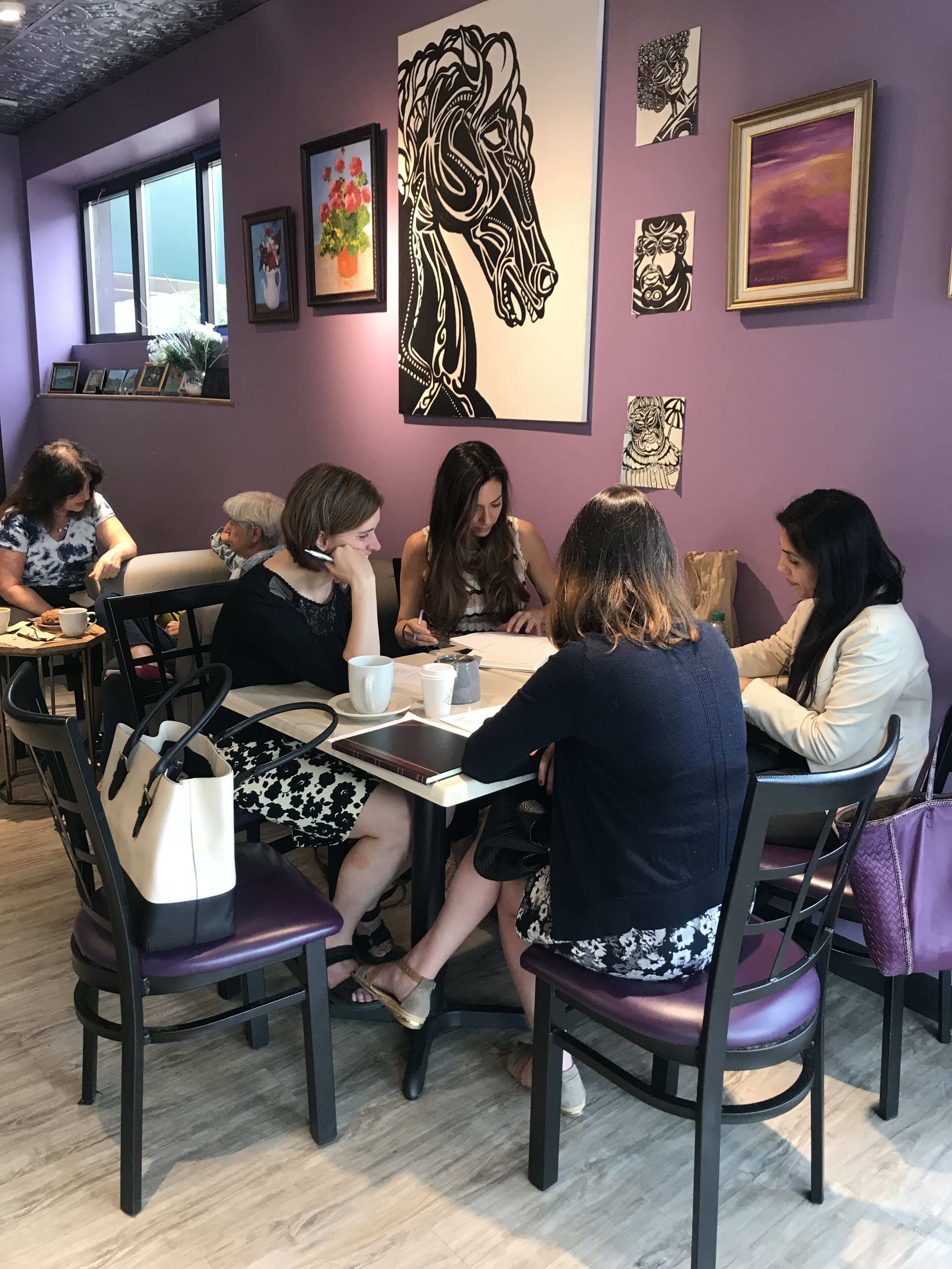
In 2017, parents from around the world connected over a Skype call. That conversation became a movement—and the start of something historic.
We began with a promise: to work toward a healthier life for every child in the world born with FOXG1 syndrome—no matter their gene variant, gender, or location. That promise was rooted in our determination to be innovative, to challenge what was possible, and to forge new paths where none existed. It remains the driving force behind everything we do.
From that moment to today, we have gone from having no path forward to advancing the first-ever treatment for FOXG1 syndrome: a promising gene therapy now being brought to children around the world. We founded the FOXG1 Research Foundation—a bold, parent-led organization driven by the belief that love, science, and urgency could change the future.
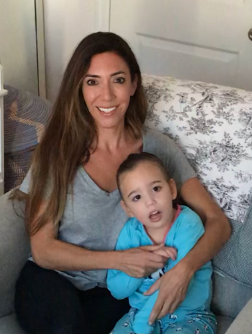
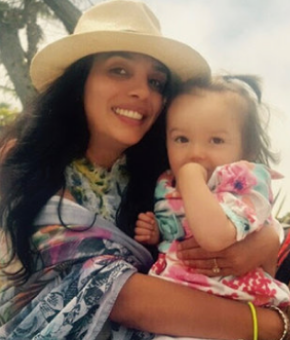
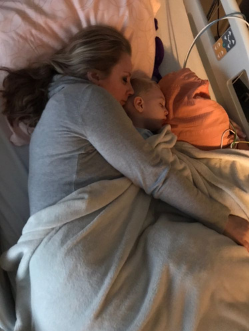
From Isolation to Innovation
We knew from the start that to help every child, we needed a scientific strategy that reflected the full range of FOXG1 variants. We funded and developed the world’s first suite of FOXG1 mouse models and stem cell lines, representing the varying mutations. We built powerful AI-powered patient data platforms to deeply understand the relationship between each child’s genetic variant and their symptoms. We made research tools and biobanks accessible to support FOXG1 science around the world.
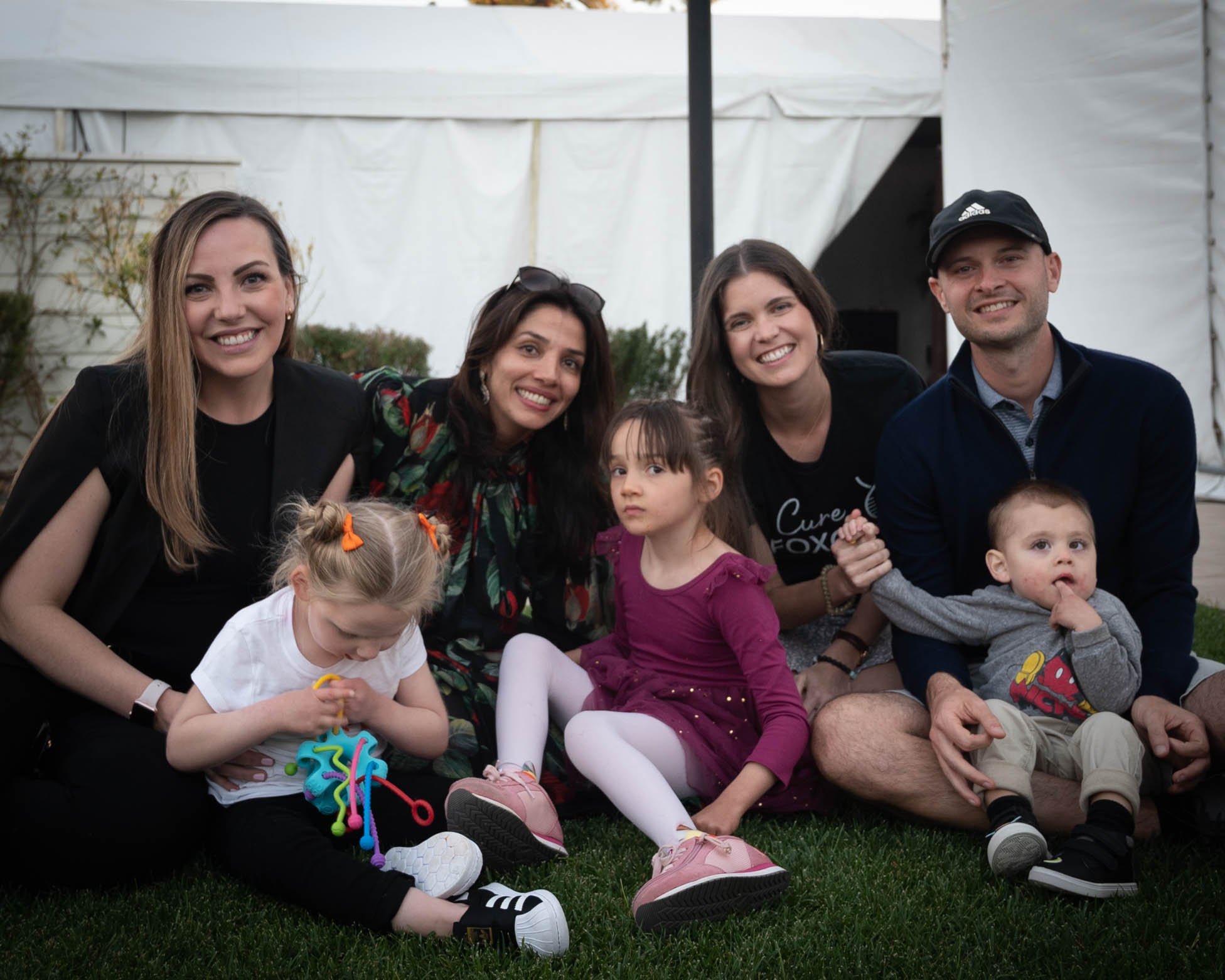
From a place of complete isolation, we launched a global community. Families from more than 50 countries now stand together, united by the mission to accelerate treatments, bring forward a cure, and support each other every step of the way.
A Strategic Path to a Cure
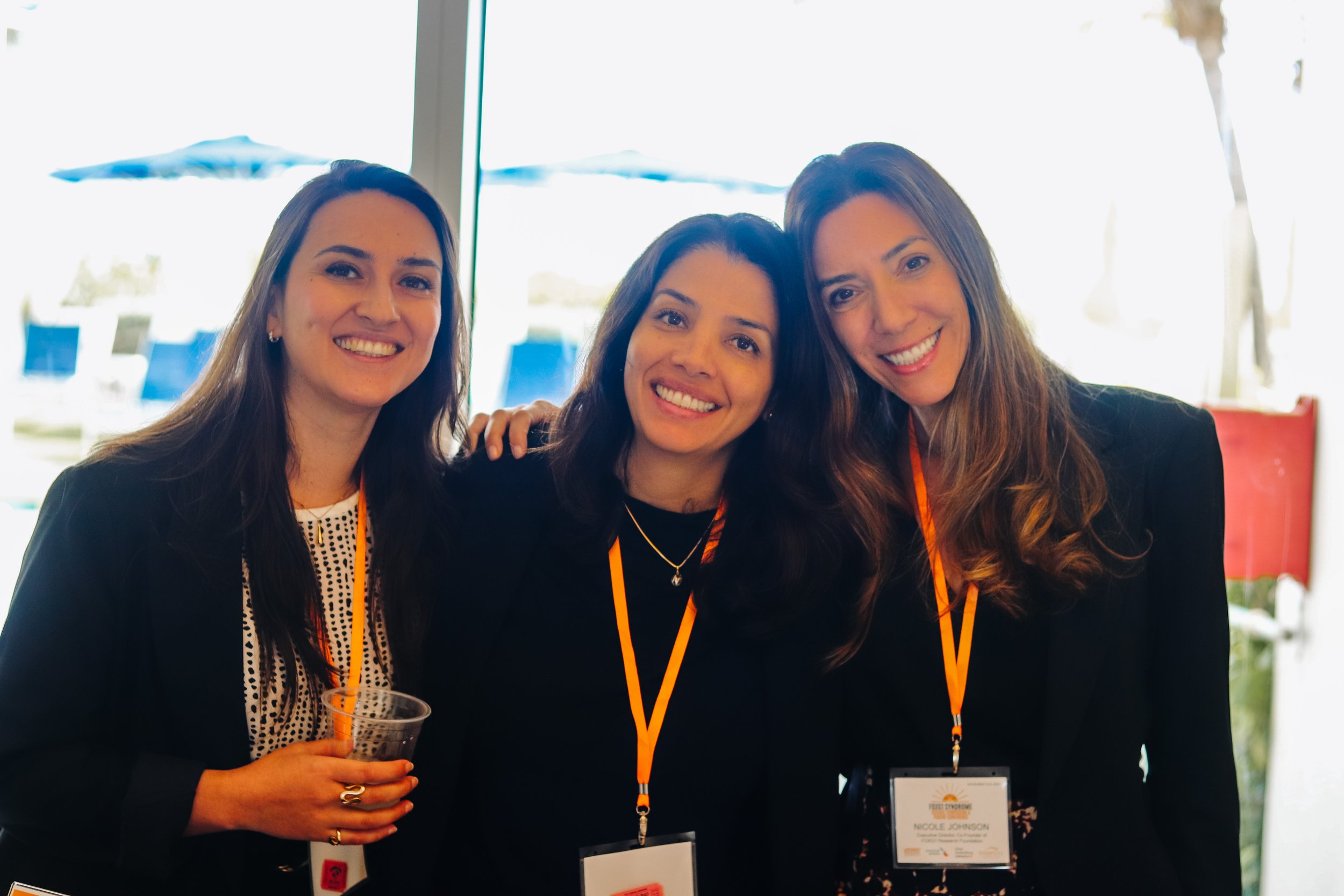
Guided by a world-class Scientific Advisory Board of neurologists, geneticists, clinicians, and BioPharma leaders, we built a strategic roadmap to a cure. We assembled a translational science team to advance gene therapies, antisense oligonucleotides, small molecules, and emerging therapeutic technologies.
To accelerate clinical readiness, we launched the FOXG1 Patient Data Center—a global digital ecosystem made up of the FOXG1 Patient Registry, a pioneering Digital Natural History Study (supported by the Chan Zuckerberg Initiative), and the FOXG1 Stem Cell Biobank. We made these tools accessible to researchers everywhere.
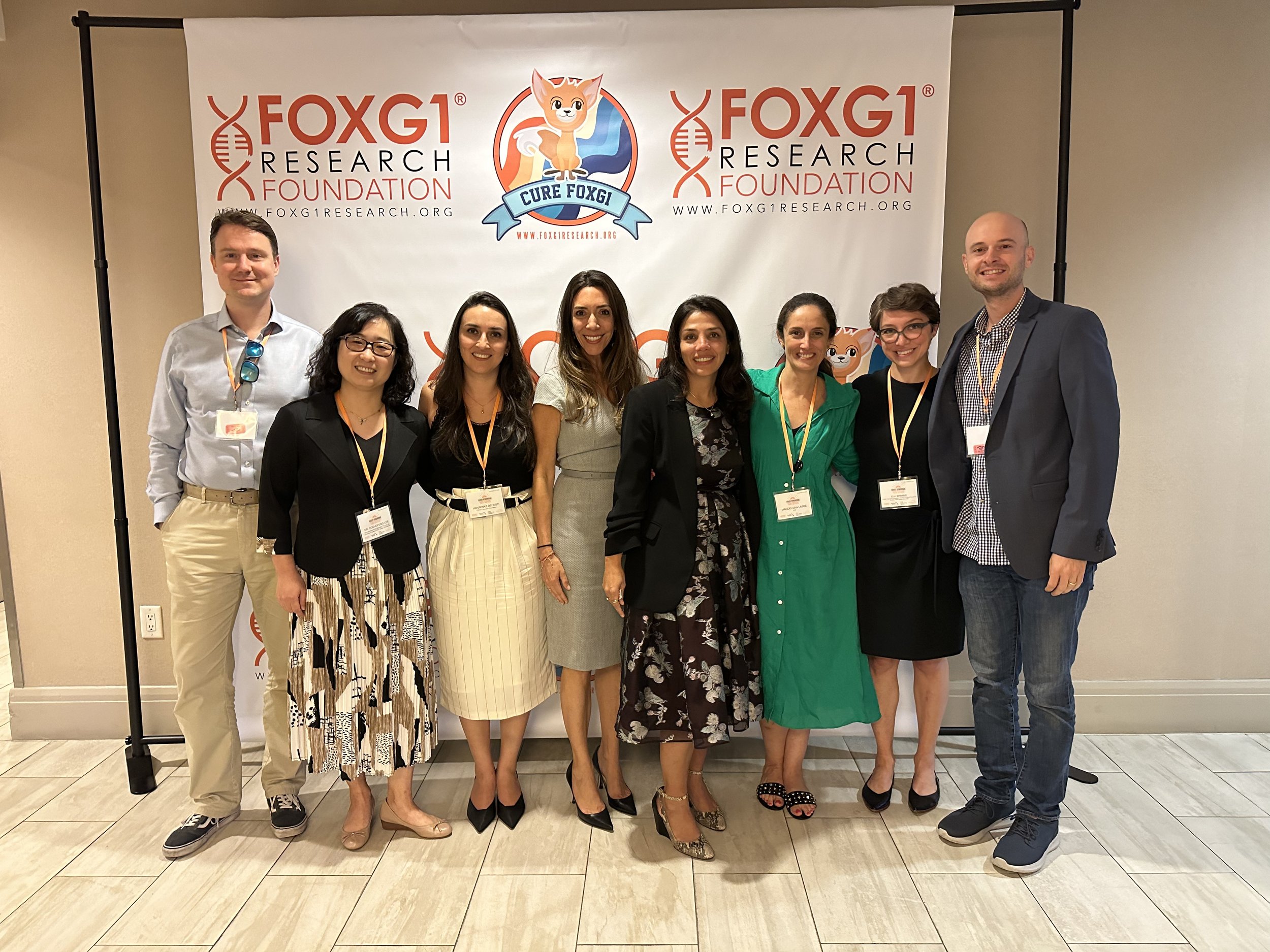
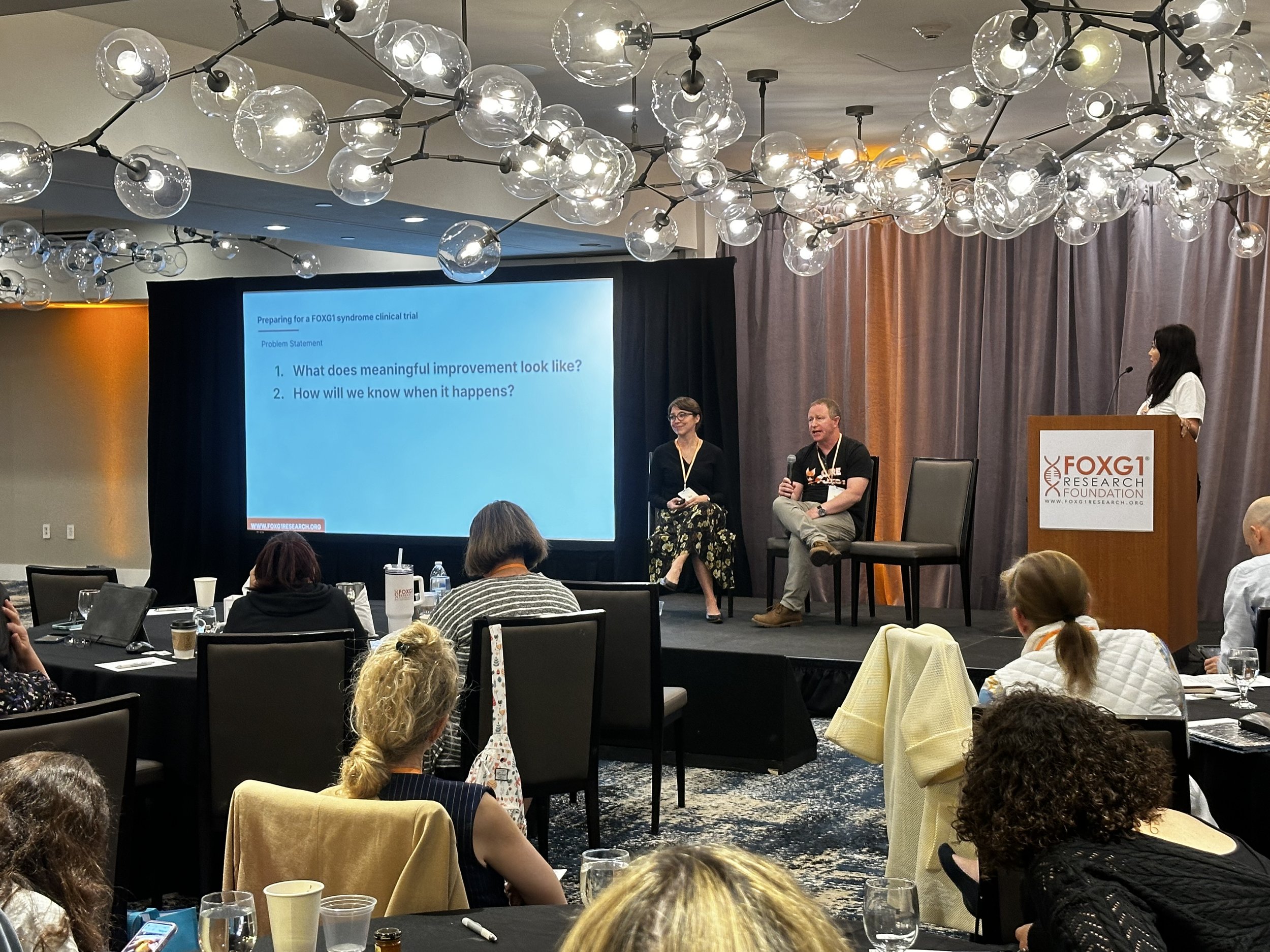
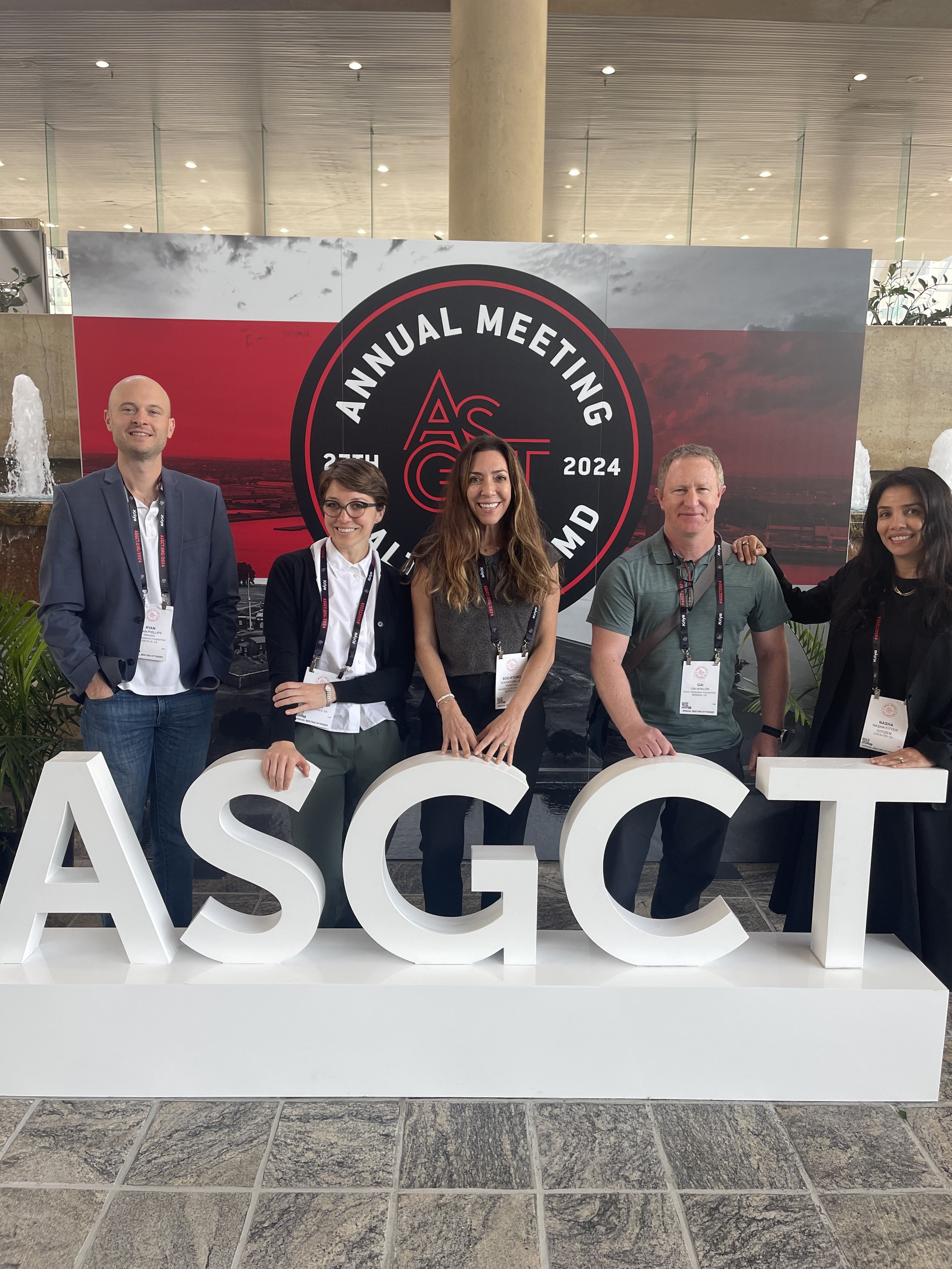
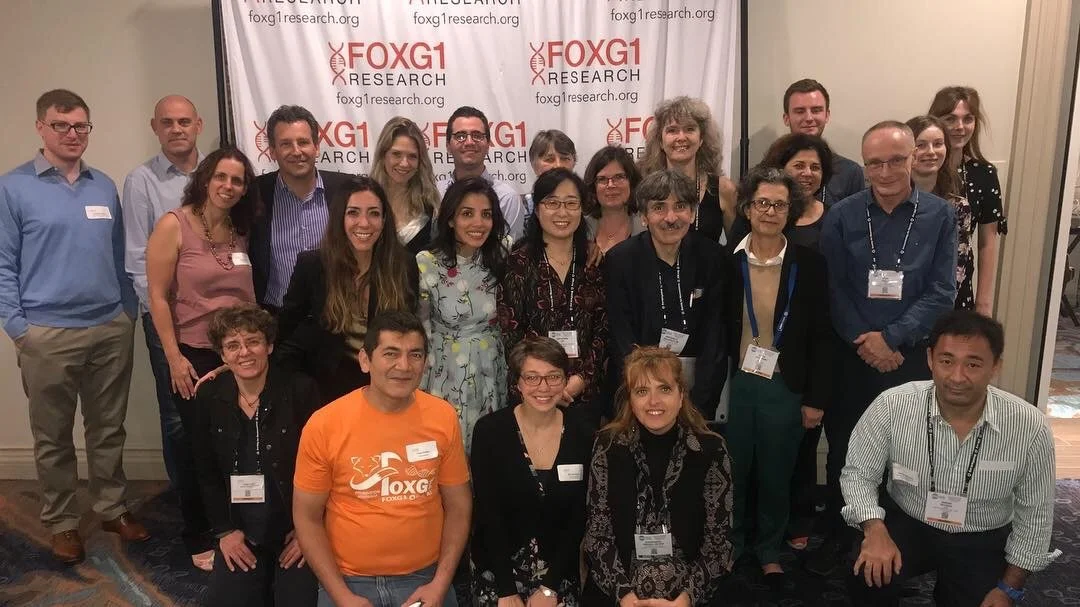
We held our first FOXG1 Scientific Symposium in 2018 and have since hosted multiple symposiums and two global parent conferences—bringing together scientists, clinicians, and families from over a dozen countries.
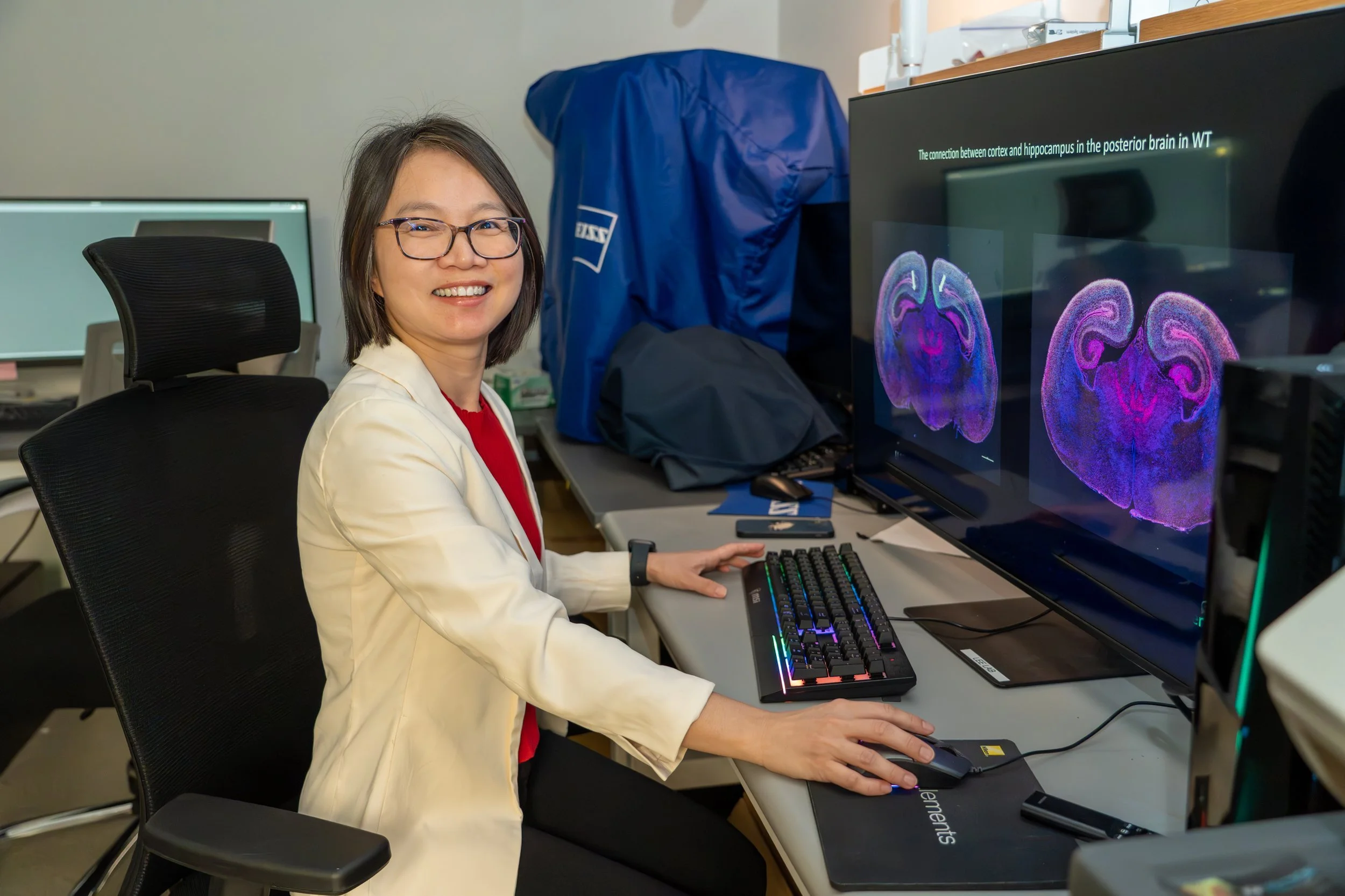
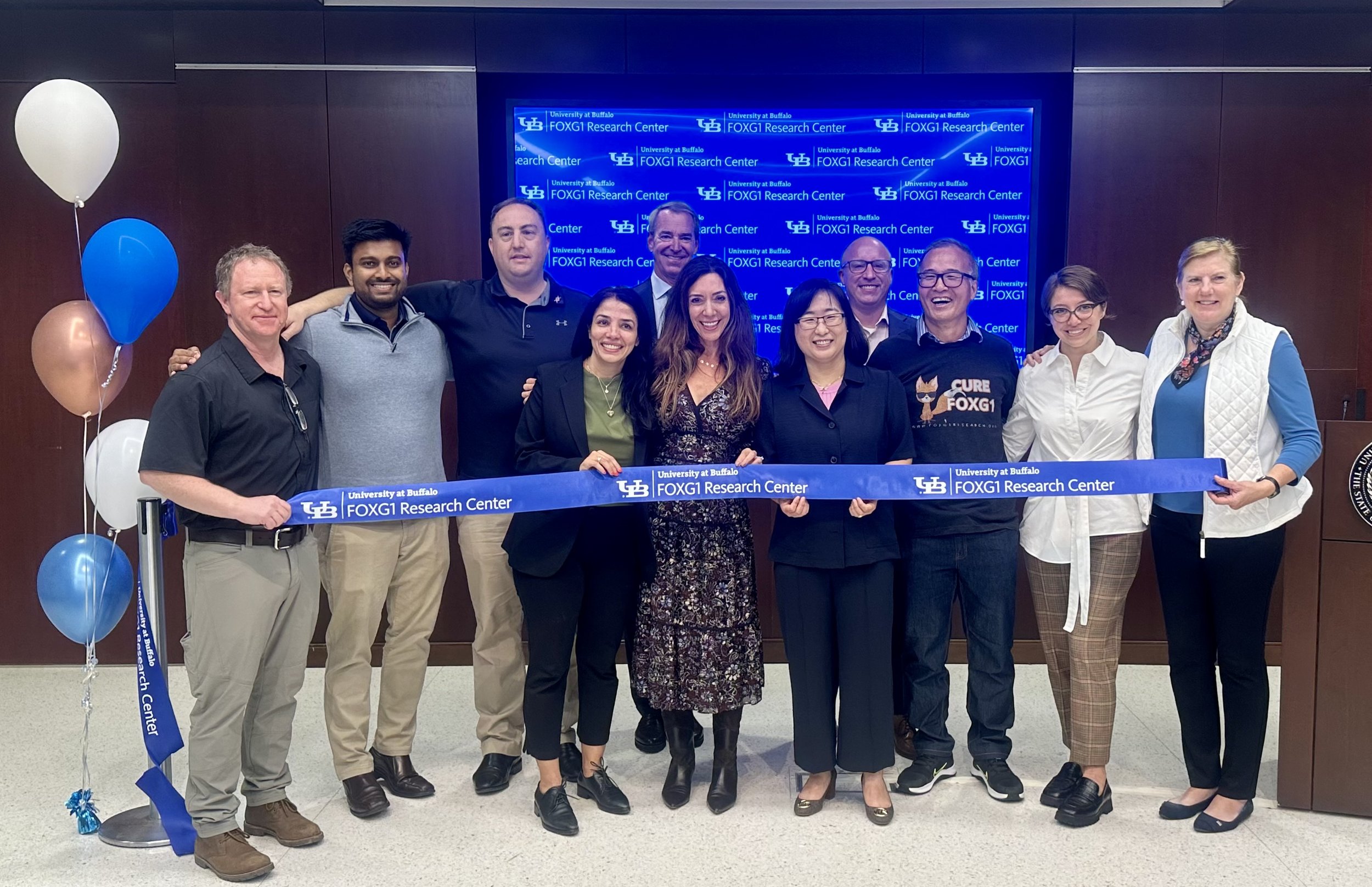
In 2024, we celebrated a major milestone: the official ribbon cutting signifying the opening of the FOXG1 Research Center at the University at Buffalo. The Lee Lab at the center—led by two of the world’s leading neuroscientists studying FOXG1 syndrome, who are also the devoted parents of Yuna, a young teenager with FOXG1 syndrome—published groundbreaking research that supports the path for our gene therapy program. In one of the most extraordinary coincidences imaginable, the Lees were studying the FOXG1 gene long before Yuna was born. This study confirmed what we believed: the science is ready.
The FOXG1 Gene Therapy Program
Today, we are making history. We are the first rare disease foundation to independently drive a gene therapy program through global, multi-site clinical trials. Learn more about our groundbreaking FOXG1 gene therapy program here.
Leading a Movement for Rare Disease Innovation
As parents, we put our heads down and did everything we could to create a healthier life for children with FOXG1 syndrome. But along the way, our work began to create ripples far beyond our community. We realized we weren’t just pushing forward for FOXG1—we were helping reshape the landscape of rare disease drug development as a whole.
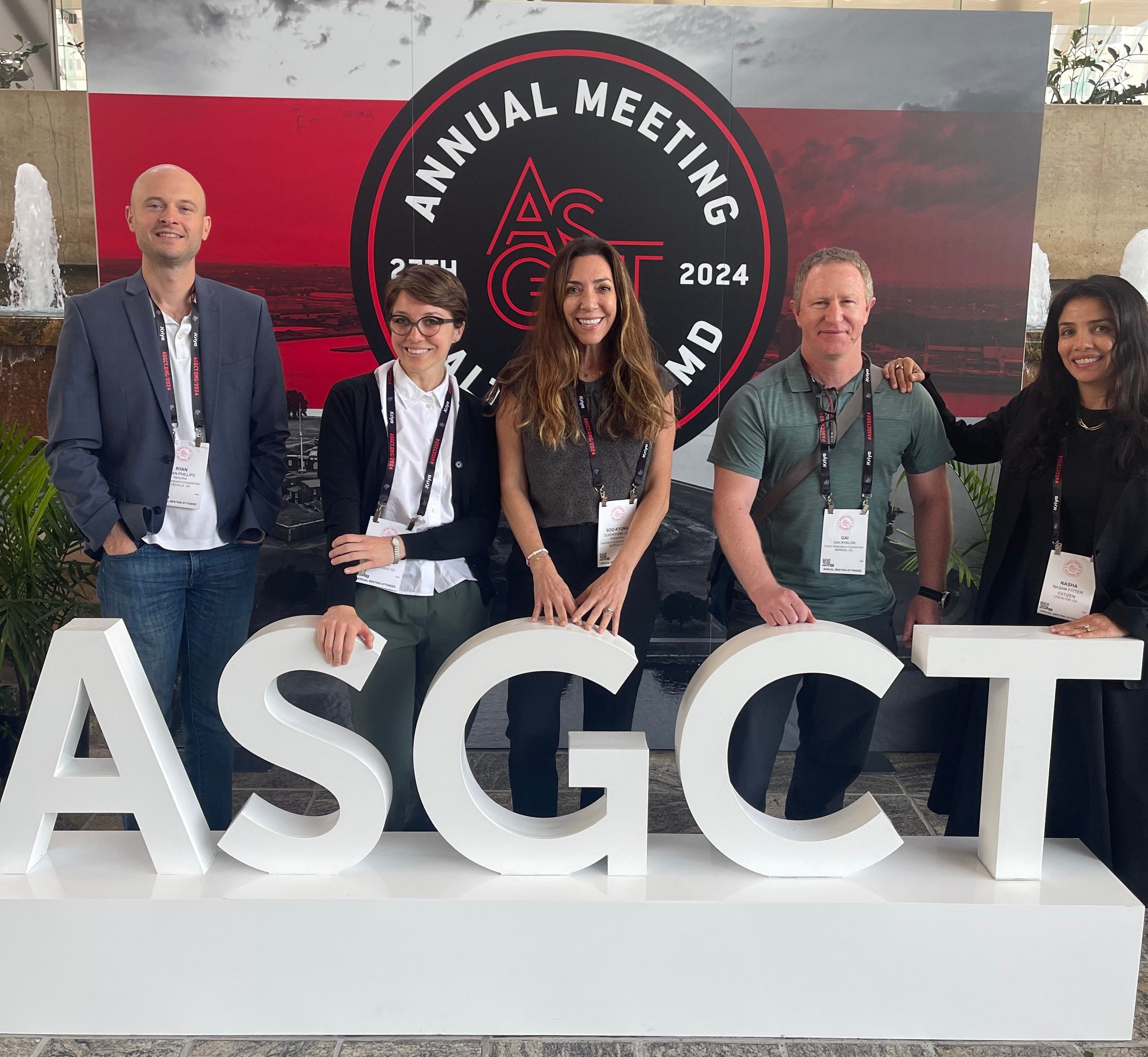
With support from the Chan Zuckerberg Initiative, we pioneered a novel AI-powered digital model for natural history studies—an approach that is now being used by more than 100 other rare disease groups to better understand their patient communities. We’ve become recognized leaders in rare disease innovation—mentoring other patient organizations, pioneering real-world data platforms, and building a blueprint that could accelerate treatments across diseases.

A New Blueprint for Rare Disease Drug Development
We are proving the power of parent-led drug development—driven not by profits, but by the return on investment that matters most: the lives and futures of children.
As Yale Weiss of Mahzi Therapeutics says, the FOXG1 Research Foundation is "radically transforming the rare disease drug development landscape."
We have built a replicable model for rare disease treatment development that drastically reduces the time and cost of drug development —without sacrificing scientific rigor.
Rare Disease Advocates
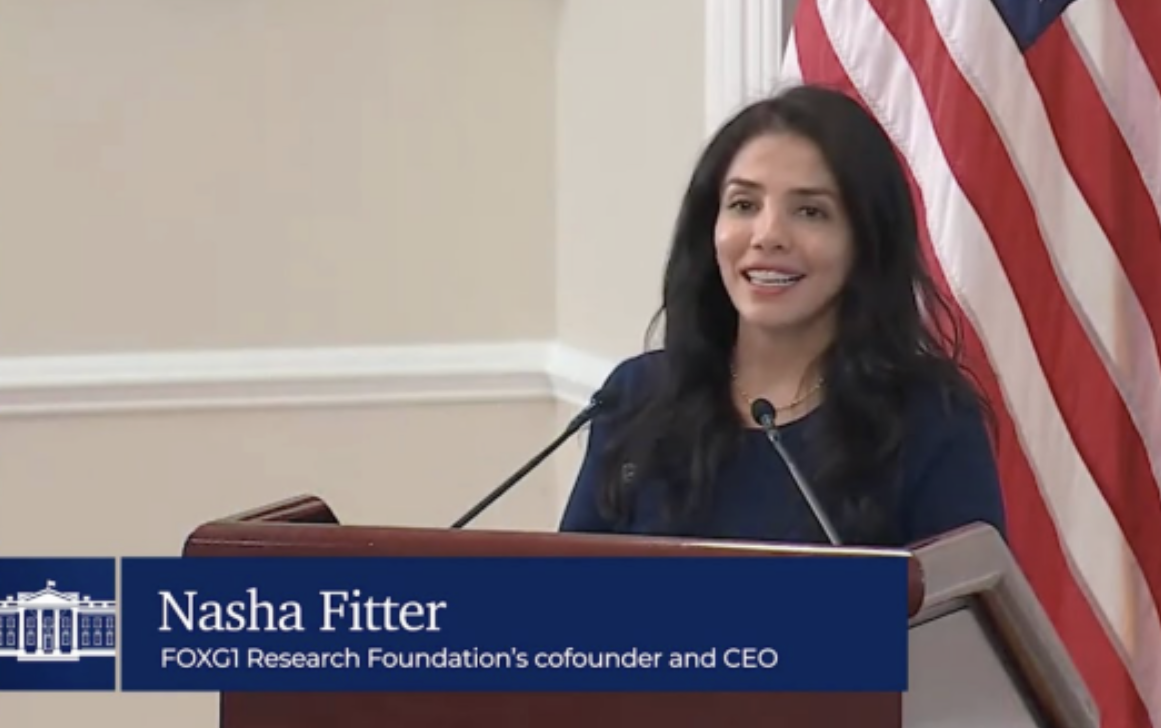
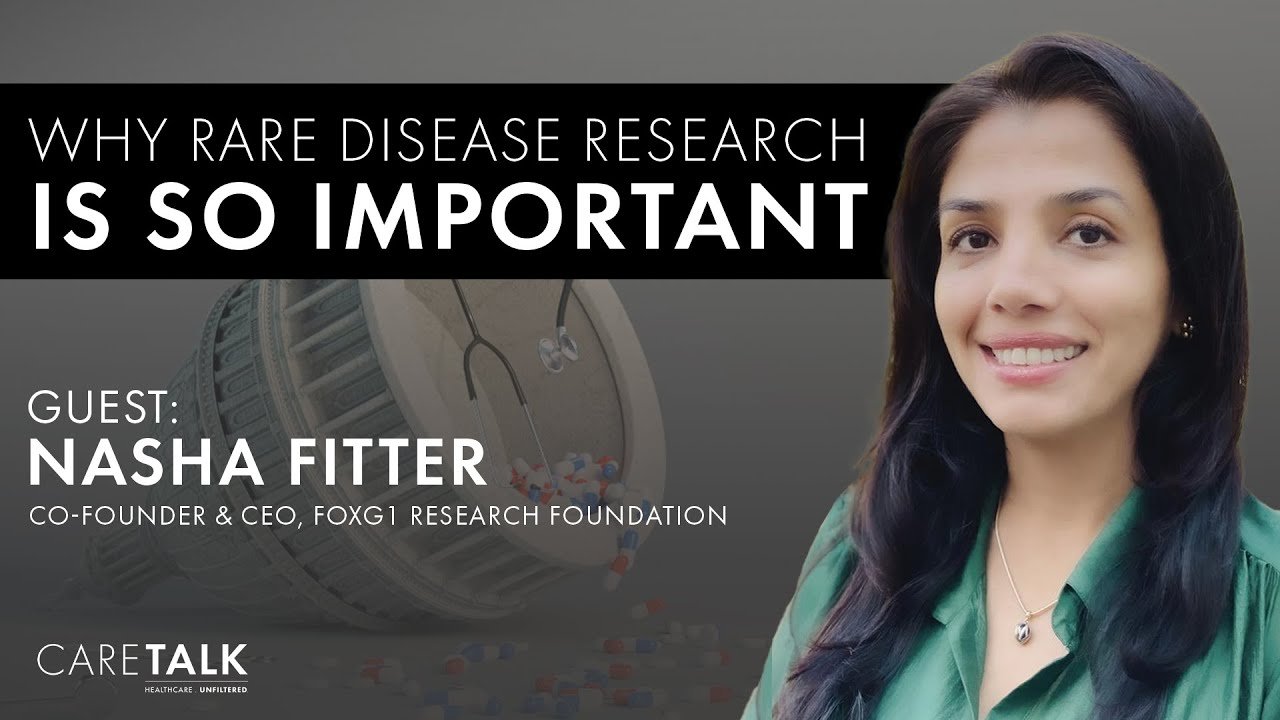
In 2023, our co-founder Nasha Fitter took the podium as the first speaker at the inaugural White House Rare Disease Forum. You can watch her speech here. She spoke on behalf of all 300 million people living with a rare disease worldwide—half of whom are children—advocating for urgent change and a new way forward.
A Global Community of Love, Science, and Action
We are more than a research organization—we are a community. We are a patient advocacy group. We provide critical resources, webinars, and support groups for caregivers and families. We stand beside families in their darkest hours, even helping rescue and evacuate a FOXG1 family from Ukraine during wartime.
We now have chapters in France, Italy, Spain, Australia, Japan, and more launching. We are building bridges across borders, across disciplines, and across sectors—uniting parents, clinicians, scientists, philanthropists, and biotech to accelerate hope.
As co-founder Nicole Zeitzer Johnson says:
“We are motivated by every child, the incredible breakthroughs in science, the strength of our community, and the firm belief that nothing is impossible. We know that this work we set out to do—motivated by our love for our children—will benefit children all around the world with FOXG1 syndrome and will change the course of this disease for children who are not even born yet.”
We are building the future. And we invite you to be part of it.