

FOXG1 Research and Development
A cure for FOXG1 syndrome could involve a single genetic therapy or multiple therapeutics, depending on each child’s specific mutation. Our mission is to continuously work towards the most successful curative therapeutics for every child in the world with FOXG1 syndrome. As we are seeing with similar neurological disorders in clinical trials, a cure could eliminate seizures, improve movement disorders, help children stand and walk, improve memory and cognition, and improve communication. This is possible.
Our Core Research Team
Meet the team leading the charge to develop treatments for FOXG1 syndrome—alongside world-class partners, advisors, and research institutions driving innovation and discovery.
-
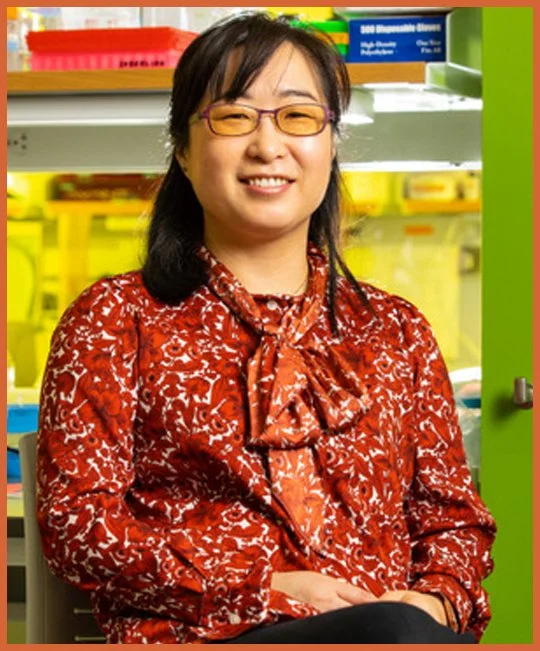
Soo-Kyung Lee
University at Buffalo - FOXG1 Research Center
-

Dr. Gai Ayalon Ph.D.
Chief Drug Development Officer
-
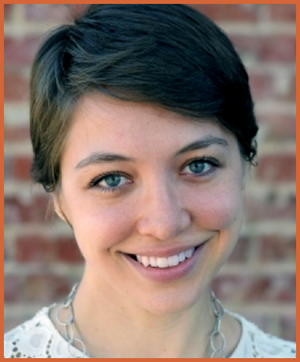
Elli Brimble
Chief Clinical Data Officer
Our research is guided by our esteemed Advisory Board composed of scientists and physicians at leading hospitals, universities, and biotech firms.
Current Therapeutic Programs
FOXG1 AAV9 Gene Replacement Therapy
The goal of our gene replacement therapy program is to insert a healthy copy of the FOXG1 gene into cells in the body of individuals living with FOXG1 syndrome, to replace the loss of FOXG1 protein caused by the mutations.
This is done through injection of an AAV9 viral vector that encodes the healthy FOXG1 gene. Think of the vector as the boat and the additional healthy FOXG1 gene is the passenger. The vector (boat) is essential for the delivery of the additional FOXG1 gene (passenger) to cells that need it.
FOXG1 ASO Therapy

Each gene in the human body is composed of four nucleotides - A, T, C and G, and a messenger RNA (mRNA) which is also comprised on nucleotides, is a molecule that cells make as a template in order to produce a protein based on the information coded by any given gene. Antisense Oligonucleotides (ASO’s) are synthetic molecules that are designed to bind to a specific mRNA of choice, and can change how this mRNA will be used by the cell to produce a protein (for example to produce less or more of it). We have identified a group of ASO molecules that connect to the FOXG1 mRNA and can upregulate FOXG1 gene expression. For all loss-of-function mutations, patients suffer from a decrease in FOXG1 gene expression. Using a proprietary platform, we are testing these ASO’s to find the most optimal ones.
We will then test the ‘winners’ on our patient stem cell and animal models.
Foundation Sponsored Collaborator Projects
In addition to our leading therapeutic programs, we have funded various research projects with a consortium of scientists for the purpose of expanding our knowledge of foxg1 biology and uncovering potential therapeutic opportunities for FOXG 1 syndrome.
FOXG1 RNAi Therapy

RNAi is short for ‘RNA interference’. Similar to turning off a light switch, RNAi selectively interferes and “turns off” the activity of a single gene. We have identified multiple sequences and conducted experiments that both upregulate and downregulate FOXG1 gene expression via RNAi mechanisms in human neurons. We are working on the next stage of this project to stabilize these sequences and test for efficacy and toxicity in additional patient derived human stem cells and animal models.
Lab: Mallamaci Lab - Laboratory of Cerebral Cortex Development - SISSA, Italy
FOXG1 tRNA Therapy
We are exploring the use of a suppressor tRNA technology to correct certain nonsense mutations. tRNAs are molecules that carry specific amino-acids to be incorporated in the growing chain of peptides during protein synthesis. This process can be hijacked to bypass stop codons (nonsense mutations) and restore normal protein synthesis. In other words, a stop codon nonsense mutation acts like a premature period in the A, C, T, G DNA sequence, which in turn codes for a premature "period" in the mRNA molecule that is the template for synthesizing protein. This period causes mRNA to stop being read. tRNA technology aims to ‘delete’ the period so the rest of the mRNA can be read properly, resulting in a complete and functional protein. We are actively discussing the tRNA therapy approach with several interested companies that are focused on developing tRNA technology platforms, and are supporting their research efforts by providing valuable genetic information from our patient registry, as well as information and access to patient-derived cell lines from our biobank.
Labs:
Ahern Lab - University of Iowa
Bedwell Lab - University of Alabama at Birmingham
FOXG1 Drug Repurposing
Drug repurposing involves taking a drug that has been successful for another target and using it to treat symptoms of FOXG1. The drugs we are focused on are called ‘small molecules’ which are chemical compounds with a low molecular weight (like Tylenol). Small molecules can be very successful in treating important symptoms like seizures, movement disorders, and even improving memory and communication.
We invested in multiple drug screens on zebrafish, c-elegans (worms) and neurons.
We have spent years picking the most effective drug screening platforms and focusing on measurable symptoms such as restoration of excitatory and inhibitory neuronal imbalance, change of FOXG1 expression and specific patient symptoms.
FOXG1 CRISPRa Therapy
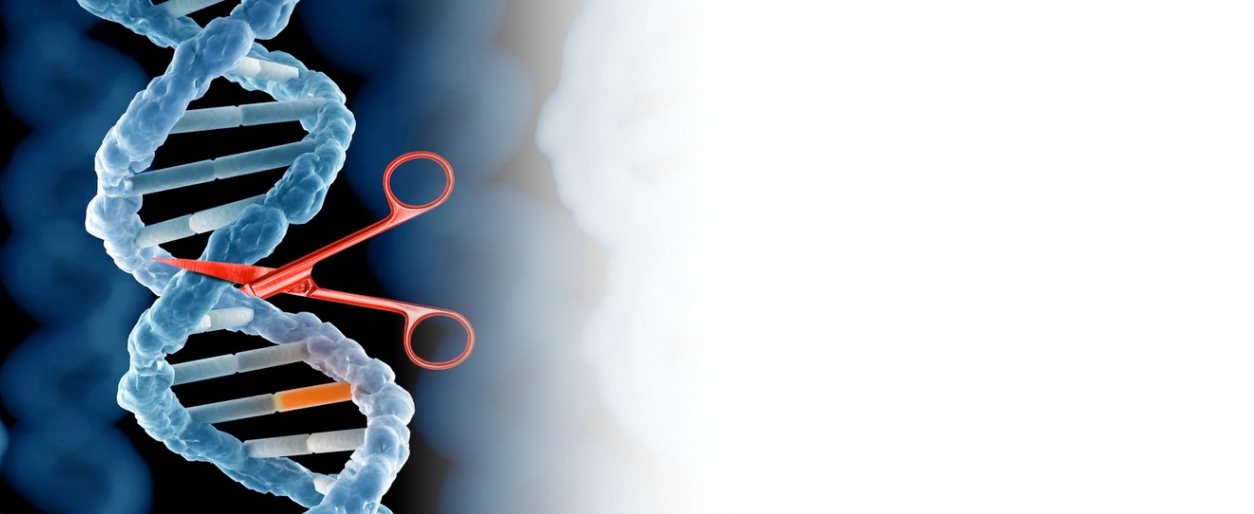
Unlike CRISPR, which cuts into DNA, CRISPRa regulates DNA. Thus, it is a much safer option than CRISPR that could work in the near future. We have identified a host of CRISPRa sequences that can upregulate expression from the endogenous FOXG1 locus. We are testing these in human stem cells and checking for restoration of the transcriptional profile of FOXG1 neurons as well as off-target effects. For more information, watch this FOXG1 Research Inside Science Video.
Lab: The Fink Lab - University of California, Davis
Spelling Key
FOXG1 - the protein in humans and mouse models | FOXG1 and Foxg1 in italics- refer to the gene in humans and animal models , respectively. source: NIH National Library of Medicine