
Global Genes Rare Leader: FOXG1 Research Foundation Co-Founder & Executive Director
Global Genes features FOXG1 Research Foundation Co-founder and Executive Director, Nicole Johnson as a rare Leader. Learn about the FOXG1 organization’s strategy, mission, guiding principles, Nicole’s management philosophy, and more.

The Johnson Family - Changing the World Right Here in Port Washington
FOXG1 Research Foundation co-founder and Executive Director shared her story with her hometown local magazine called Port Washington Living. This feature article celebrates the Johnson family and Nicole’s work to find a cure for FOXG1 syndrome, while helping FOXG1 families around the world, including helping the FOXG1 family in the Ukraine to safety.
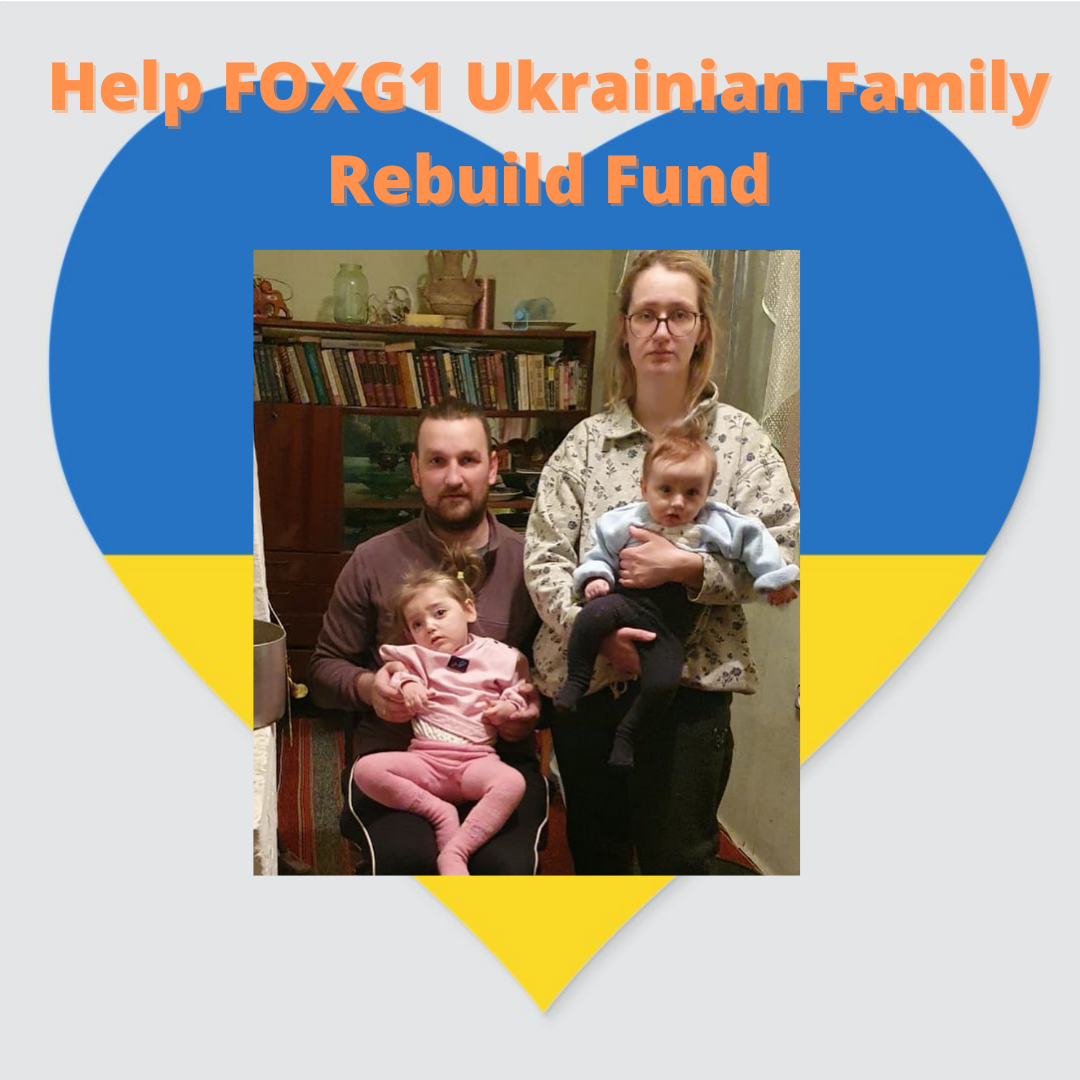
Help FOXG1 Ukrainian Family Rebuild!
The FOXG1 Research Community has helped get a FOXG1 family safely out of the warn-torn Ukraine! Now, they have to rebuild thier lives. Eva is a 3-ear-old child with the severe rare disease called FOXG1 syndrome. She suffers from seizures and is disabled. They are on thier way to safely, but they lost everything. This is how you can help. Thank you!
Rarebase launches a neuroscience drug discovery platform collaborating with 15 rare disease patient organization
Rarebase launches a neuroscience drug discovery platform collaborating with 15 rare disease patient organizations including the FOGX1 Research Foundation, SynGAP Research Fund, , STXBP1 Research Foundation, Hereditary Neuropathy Foundation, and more. The Function platform enables drug and target discovery for rare genetic diseases.
Dallas Morning News: Where is Former American Airline CEO Tom Horton? Raising Awareness for a Rare Genetic Condition.
Horton jumped into the campaign to raise awareness for the rare FOXG1 syndrome after his infant granddaughter was diagnosed in 2020.
Global Genes Podcast: Empowering Rare Disease patients With Their Own Health Recods
Global Gene’s RareCast Podcast interviews our CEO and Co-founder about our innovative Ciitizen Natural History Study and how health records empower parents and caregivers to make sure researchers really understand our children’s condition.
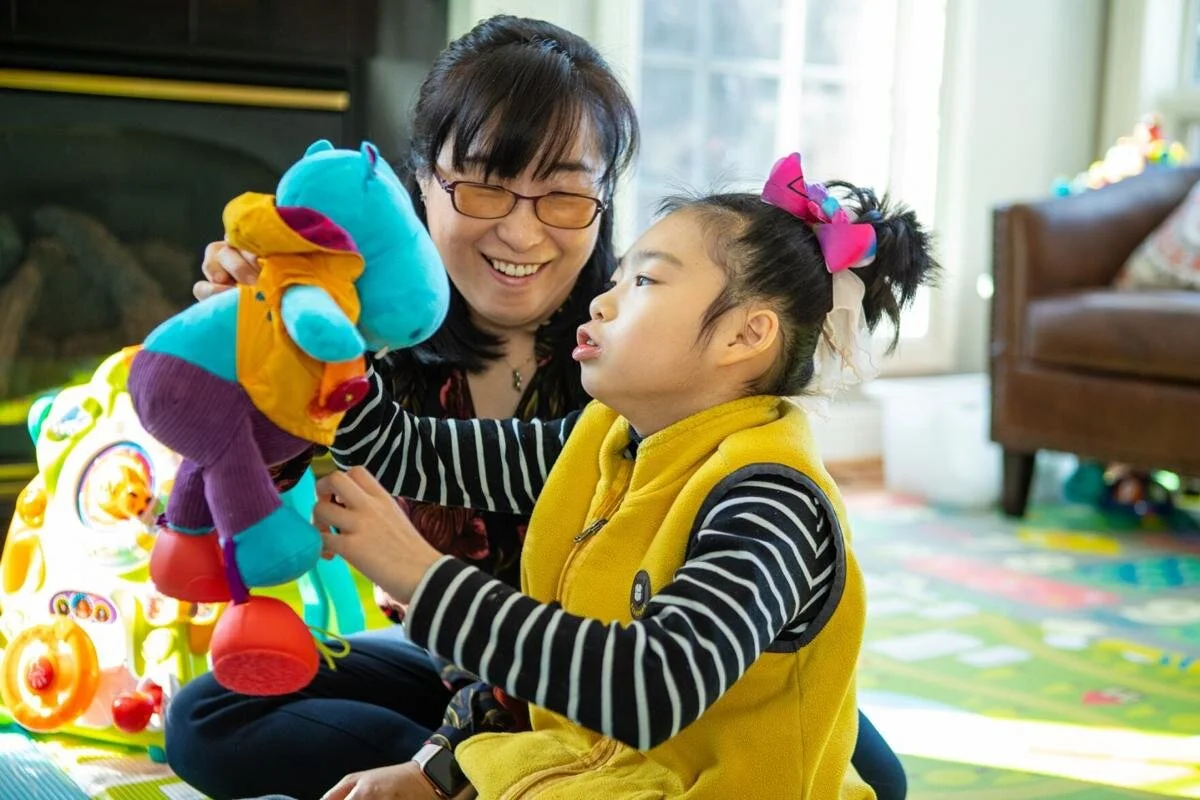
A Daughter's Rare Disease Brings Mother-Father Researchers to Buffalo for Answers
Soo-Kyung Lee, Empire Innovation Professor of Biology at the University at Buffalo, has been driven to focus greater attention on FOXG1 syndrome since her daughter, Yuna, was diagnosed with the neurological condition almost nine years ago.
Douglas Levere/University at Buffalo
FOXG1 Research Foundation to Pioneer a Machine Learning Approach to Accelerate Rare Disease Research with Support From the Chan Zuckerberg Initiative
The parent-led FOXG1 Research Foundation (FRF) announced today a nearly $500k grant from the Chan Zuckerberg Initiative (CZI) to revolutionize the ability for patient-led advocacy groups to use machine learning to help accelerate rare disease drug development.
Once Upon A Gene Podcast Interview with Nasha Fitter on the new platform using medial records to advance research for rare disorders
In the latest episode of the Once Upon a Gene Podcast hosted by Effie Parks, we hear from the FOXG1 Research Foudnation CEO, Nasha Fitter on the revolutionary platform she’s spearheading at Ciitizen to digitally collect patients medical records and use machine learning to advance research and the road to approved therapies.
FOXG1 Symposium Advances Science, Gives Hope to Families Battling Rare Disease
UB biological sciences faculty member Soo-Kyung Lee, left, and UB biological sciences researcher Younjung Park work in the lab. Photo: Douglas Levere
America Trends TV interviews FOXG1 Research Co-Founder on How to be an Advocate for Your Child
FOXG1 Research Foundation Co-founder and mom to Josie, Nicole Johnson, joined America TV to share the most important lessons how she has learned about being an advocate for a medically complex child with an ultra rare disease.
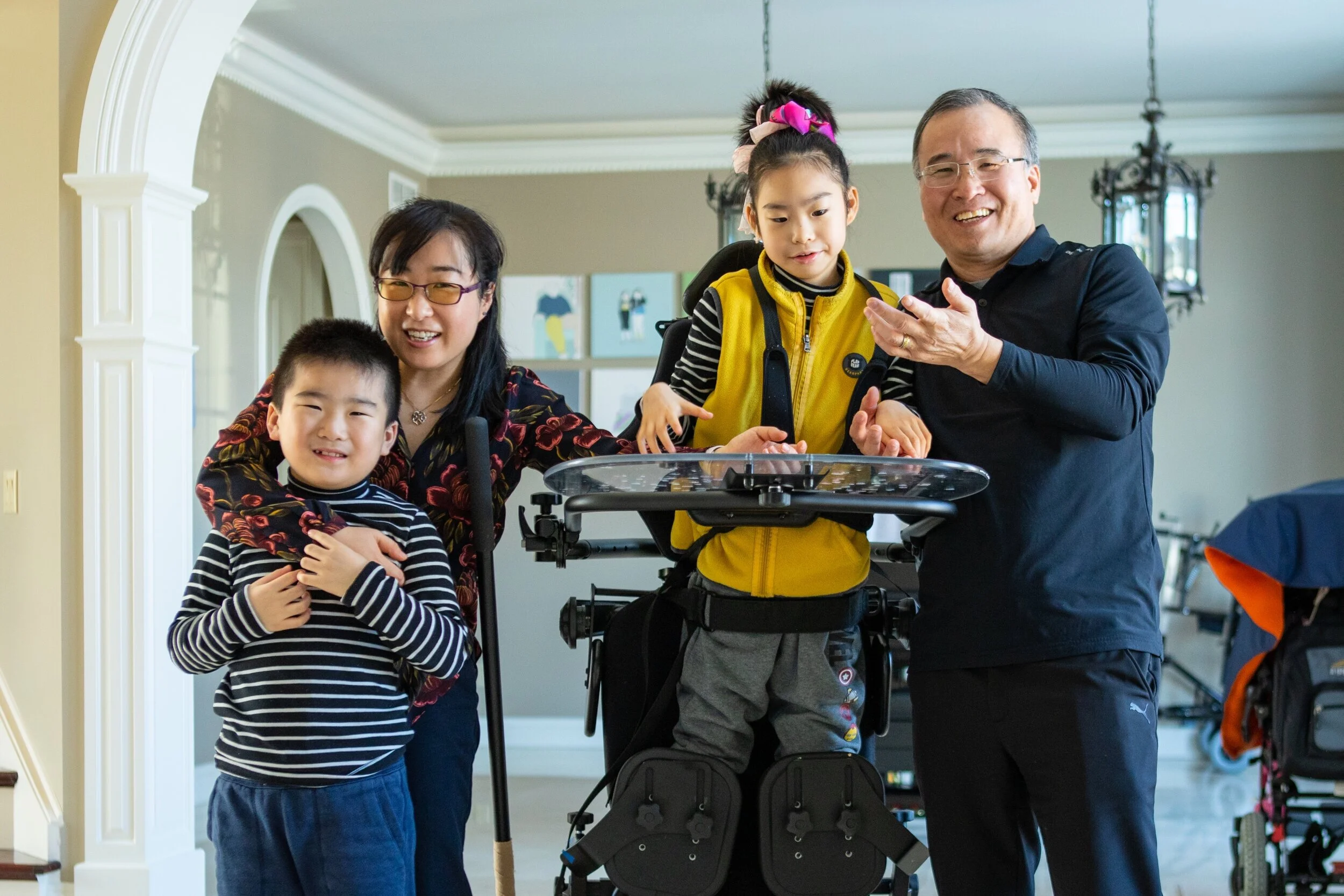
For two UB scientists, love means studying their daughter's rare disease
University at Buffalo biologists Soo-Kyung Lee (left) and Jae Lee are researching the FOXG1 gene. Their daughter, Yuna, has a mutation in the gene, which has severely impacted her development. The Lees hope their scientific work will lead to a treatment. Credit: Douglas Levere / University at Buffalo.