
What Does this New Digital Natural History Study Mean for Me?
CZI granted the FRF a half a million dollar grant to launch a next generation, machine-learning, Natural History Study. What does the new digital Natural History Study mean for FOXG1 parents? How will it help make their lives easier ? Why is it so important to help get to treatments for FOXG1 syndrome?
FOXG1 Research Foundation to Pioneer a Machine Learning Approach to Accelerate Rare Disease Research with Support From the Chan Zuckerberg Initiative
The parent-led FOXG1 Research Foundation (FRF) announced today a nearly $500k grant from the Chan Zuckerberg Initiative (CZI) to revolutionize the ability for patient-led advocacy groups to use machine learning to help accelerate rare disease drug development.
November 2020 Research Update : Creyon Bio Takes on FOXG1 for ASOs!
November 2020 FOXG1 Research Foundation Research Update: Two Biotech companies are investing in FOXG1 syndrome for gene therapy and ASO therapy. FOXG1 Research is moving into screening drugs and testing potential therapies with a newly assembled consortium of esteemed scientists.
Taysha Gene Therapies Takes on FOXG1 Syndrome!
Taysha Gene Therapies adds FOXG1 syndrome to the pipeline of neurodegenerative CNS disorders; Taysha will develop gene developing gene replacement therapy (TSHA-117) for FOXG1 syndrome, using their novel miRNA target panel.
Riepilogo del FOXG1 Science Symposium 2020
The Italian translation of the summary of the FOXG1 Science Symposium 2020. Riepilogo del FOXG1 Science Symposium 2020
Once Upon A Gene Podcast Interview with Nasha Fitter on the new platform using medial records to advance research for rare disorders
In the latest episode of the Once Upon a Gene Podcast hosted by Effie Parks, we hear from the FOXG1 Research Foudnation CEO, Nasha Fitter on the revolutionary platform she’s spearheading at Ciitizen to digitally collect patients medical records and use machine learning to advance research and the road to approved therapies.
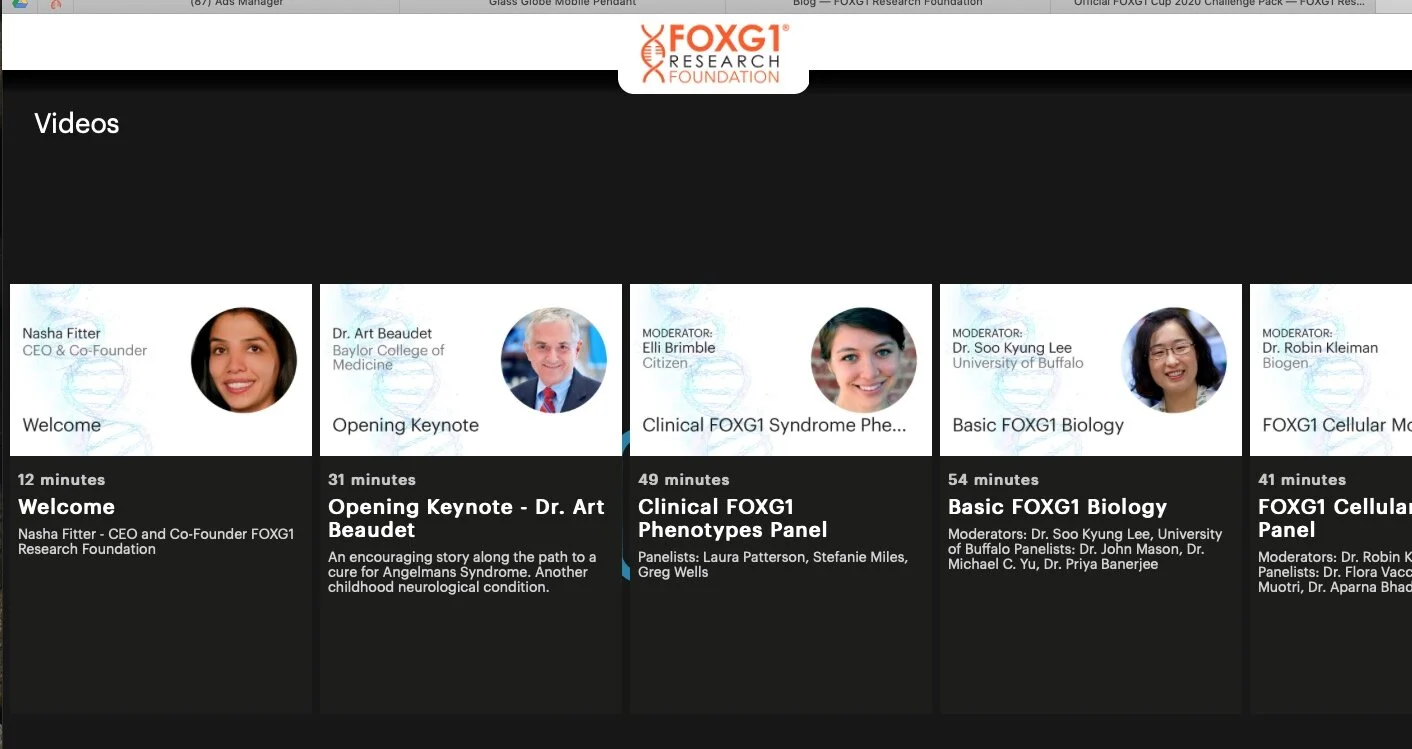
The FOXG1 Science Symposium 2020 - Recap
The virtual FOXG1 Science Symposium 2020 was a tremendous success in demonstrating the work towards advancing science to find a cure for FOXG1 syndrome. Scientists from Tokyo, the UK, Italy, California and more gathered with Biopharma industry executives and FOXG1 caregivers to share data and engage in collaborative discussions towards disease-modifying therapies. Read the recap here and watch the panel discussions.
AAC for FOXG1 Syndrome
Communication, as well as other struggles stemming from the condition, can feel like a daunting and almost impossible task for families facing FOXG1. Here, the CoughDrop app – along with other communication products – can be found and used as available resources to improve communication.
FOXG1 Symposium Advances Science, Gives Hope to Families Battling Rare Disease
UB biological sciences faculty member Soo-Kyung Lee, left, and UB biological sciences researcher Younjung Park work in the lab. Photo: Douglas Levere
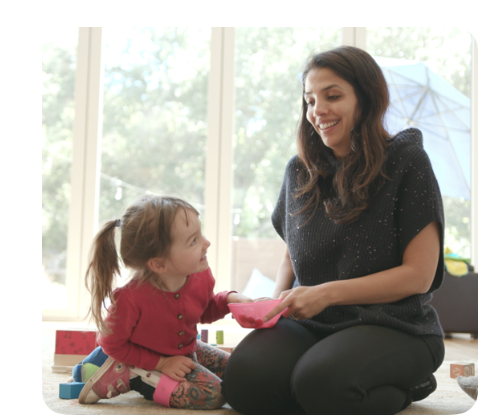
The Rare Disease Crusaders
I joined Ciitizen and initiated our entry into neurological diseases because I am both passionate and desperate to find an answer for my daughter. At Ciitizen, we’re creating a platform where medical records are collected on behalf of each patient, then automatically digitized into the computational data we need. From there, sophisticated machine learning technology is used to extract clinical data in order to create regulatory-grade Natural History Studies that do not require exorbitant amounts of time, energy, or money. Patient reported outcomes can then be added by us parents.
More importantly, this database of computational data we’re creating will be accessible and open to all patients, parents, caregivers, clinicians, academics, and biopharma researchers. Our goal is to eliminate the slow, manual, and expensive processes that we currently use to collect information and use the best technologies to be quick, cost-effective and more accurate when it comes to developing research.
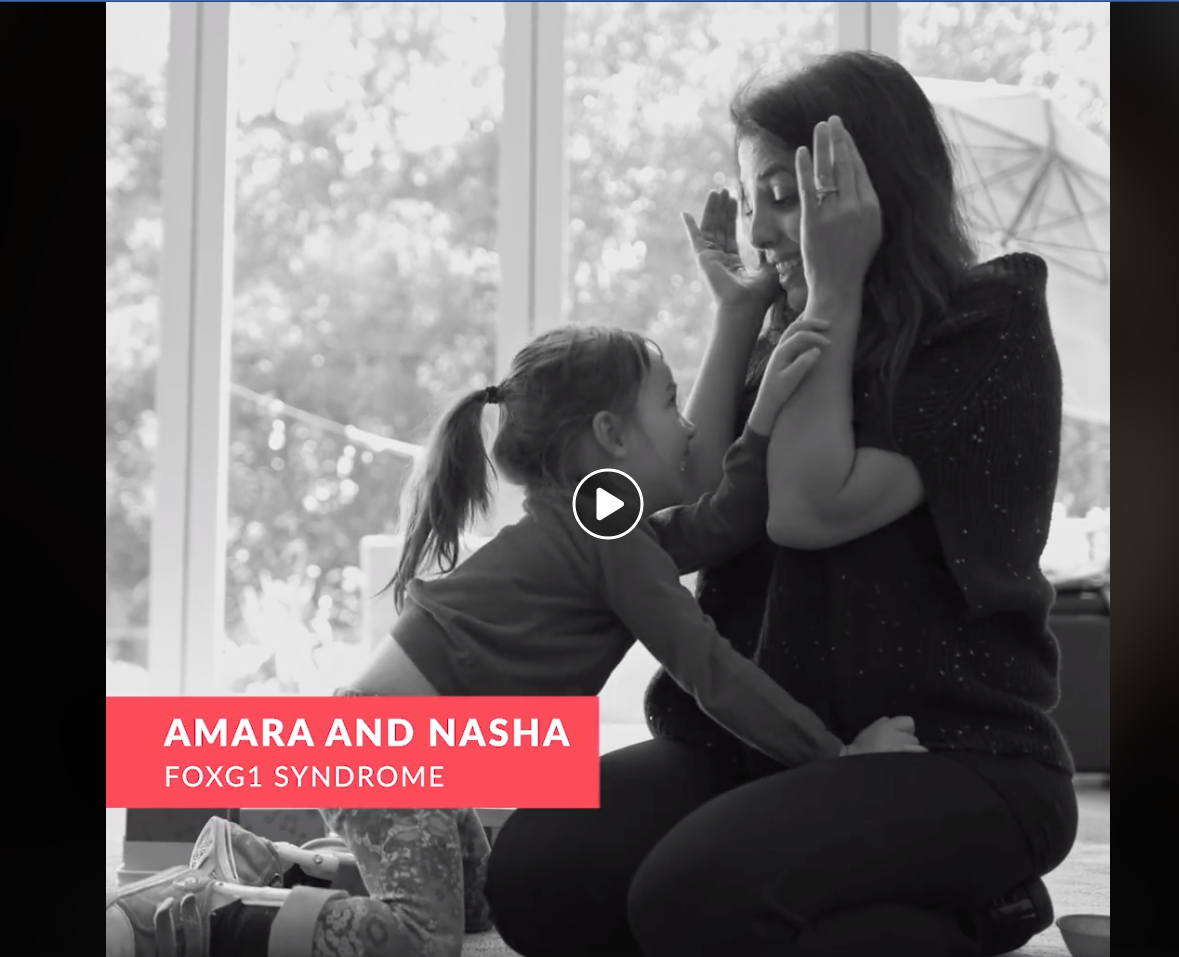
The View Along the Path to a Cure for FOXG1 Syndrome | An Overview by Nasha Fitter
When Amara was diagnosed three years ago, I didn’t even know what a gene was. My background was in technology and business and I wasn’t prepared for the world of science. Luckily, my career had prepared me to tackle an impossible problem that no one has solved before. Being strategic and understanding the various pieces that need to be put together to achieve your end goal is critical in rare disease leadership. I have made mistakes over the past three years, and I have had successes. My goal in this blog series is to share those, and to continue sharing our experiences and journey of the FOXG1 Research Foundation as we work to find a cure for our children and everyone with FOXG1 syndrome.